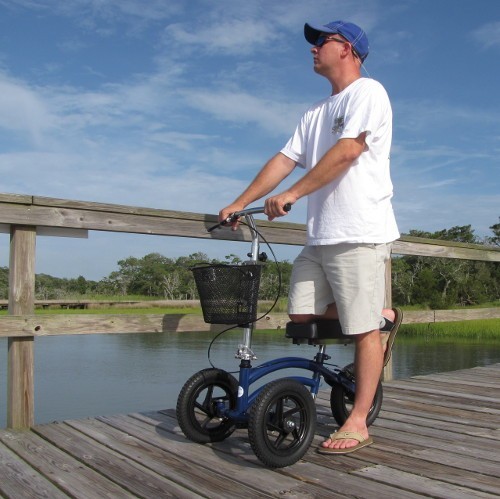
The Importance of Regular Maintenance for Your Mobility Aids

When any mobility device is used, may it be for the purpose of recovering from an injury, for geriatric care, or for daily activities of living, one’s safety, stability, and comfort highly rely on this tool to work smoothly each day. Similar to a car or a home appliance, walking mobility aids also demand regular servicing and upkeep for them to remain at their best. Where it’s a rollator walker, mobility scooter, or a knee scooter, regular maintenance on assistive devices is key for safety and optimal usage.
1. Why Maintenance Matters for Safe, Reliable Mobility
Normally, daily life is all about going from here to there, whether it is a trip to the grocery store, a walk around the neighborhood, or a family gathering. If your mobility aid fails at a time not expected, you will have to cancel your plans, may be injured, or even have a fall. Regular maintenance saves you from these dangers and troubles.
Prevents unexpected breakdowns
Any walking equipment, especially if used frequently for covering long distances, can deteriorate from regular use and from merely being stored or given minimal care. Be it a flat tire or shabby grips, a rickety frame, you may have them before you know it. With preventive care and attention, you can not only solve the problems exposing you to potential hazards but also react to them in time.
Preserves performance and longevity
It is important to maintain your device properly to increase its lifespan and have a hassle-free experience with it. You can improve the performance of any rollators, which have well-lubricated wheels, of any walkers which have tight screws, and of any canes that have rubber tips that are intact. Besides, you will also spend less money over time by not having to buy a new product before the old one is completely broken.
Offers peace of mind
Being aware that your mobility aid is clean, sturdy, and perfectly usable results in your attention being directed towards the tasks of the day rather than on whether your walker will be shaking or your brakes will be ineffective. This assurance will also have a positive influence on your comfort and level of independence if you are recovering from surgery or dealing with arthritis, for example.
2. Common Wear and Tear to Watch For
With time, small problems with mobility aids grow, and if nothing is done, they may turn into safety hazards. Keeping track of the first signs of damage or wear will allow you to be in control before the problems grow and develop mobility issues.
Loose screws or bolts
During use, screws and bolts can move, and consequently, they can loosen. You may feel that the frame is a little shaky, or you might hear a rattle. Targeted actions, such as tightening, are appropriate immediately so the stand can hold up well.
Worn rubber tips or wheels
The plastic tips of walking sticks or walkers and also the wheels of rollators get worn off through usage, mostly when used outdoors or on rough surfaces. When the rubber gets to the point where it is smooth or cracked off, it will create less traction, and the walking surface will become slippery or sometimes unstable.
Brake issues
The safety of the rollator, especially when going onto a slant or a bumpy surface, is the role of the brakes. In the event, the brakes are giving you a hard time, whether slipping or unable to prevent the device from moving, please take it seriously and attend to it. Here, the cause might be a problem with the brake cable, or the mechanism, in general, could be that it needs repairing or replacing.
Squeaky wheels or stiff movement
Hearing wheels that squeak is often a sign that some lubrication is needed for the wheels or some dirt has accumulated in the joints. In case rolling the walker becomes suddenly more difficult than usual, then it is time for a rapid tune-up.
Misaligned or bent frames
Dropping your mobility aid or adding excess weight to one side can bend or misalign the frame. From this, you might get the feeling of shaking, only one side of your body being affected, or a balance-displacing feeling, which may lead to you falling over.
Damaged fabric or grips
For instance, seats, storage bags, or handles can be the parts that wear out the most if they are exposed to sunshine, sweat, or are simply used regularly. Pay attention to fraying, cuts, or be aware of areas no longer offering you cushioning. They may not only look dilapidated, but they can also affect your comfort and stability.
3. DIY Maintenance Tips You Can Do at Home
You don’t have to be a mechanic or mobility expert to care for your walking aid. A few basic maintenance steps, done regularly, can keep your device running smoothly and safely.
Clean regularly
Use a mild detergent and warm water to clean the frame, wheels, handles, and joints. If your aid is mostly used outdoors, the dirt, dust, and moisture collected may turn into rust or just become obstacles for the moving parts. Be sure to completely wipe them after the wet cleaning process.
Check and tighten components
Once a week, take a few minutes to go over your device. With a simple screwdriver or wrench, you can tighten any loose screws or bolts. Make sure the legs or wheels are even and secure. If any part moves out of place or becomes noisy, take a closer look.
Lubricate moving parts
Use a small amount of lubricant such as silicone spray or a light machine oil on the wheel pin, the hinges, and the brake cables. This will avoid things from becoming noisy and will make sure that your equipment is moving smoothly. Use a soft, clean cloth to remove any extra oil to avoid slipping.
Inspect for damage
Examine the frame for splits or bends. Push the grips and handles down to feel if they are loose or broken. If it is, fold your walking aid and unfold it to verify the joints of the item. Test and be sure that the brakes are holding fast and that they do not slip.
Replace parts as needed
If anybody part is broken, do not let it wait till it is destroyed. At home, you can often change the broken rubber tips, hand grips, wheels, and seat cushions. Most parts can be found online or from EZ Walker Rollators. But always follow your device’s manual for part compatibility.
4. When to Call a Professional for Repairs or Service
Though many problems can be solved with your efforts, sometimes it is necessary to ask for professional help. If your mobility aid is still unstable, or you feel unsafe or uncomfortable despite all your efforts, never overcome these obstacles alone; do not hesitate to ask for assistance.
The brakes aren’t working
If the brakes do not catch the wheels completely, or they are loose, or adjusting the cable tension does not mend the damage, you need a professional examination. The necessity of good, trusty brakes for safety is indisputable, especially when going down a hill or walking on a crowded street.
The frame is bent or cracked
You should not try to solve structural concerns using DIY implements. A frame that is deformed or broken can be unrecognizable at the start, but it can be a threat to the overall safety of the device. Seek professional assistance once the walking aid becomes wobbly, tilted, or if you hear an unpleasant sound.
The device no longer fits properly
If you cannot walk with an upright posture, your hands are sore, or your walking aid is out of reach, the aid likely has to be resized or replaced. Your requirements change over time, and an improper fit can lead to a lack of stability and strain on the joints.
Schedule annual tune-ups
One of the things you should do if you are somebody who uses mobility aids day after day is to get your equipment checked out once a year by a professional. A good way to think of it is to compare it to a check-up you would have for your physical body. That is because a technician can discover wear that is in an early stage and that you are not yet aware of, and keep your device in its best condition. EZ Walker Rollators offers service support and can help you source replacement parts or recommend the right tools for your walking aid. Our team understands how important it is to stay active and safe, and we are here to help you keep moving.
5. Stay Safe and Independent with a Well-Maintained Mobility Aid
Your mobility is a substantial part of your greater independence, and the mobility aid you are using holds the main function of making sure that you can move on with confidence. Making the regular maintenance of the mobility aid a habit is one of the simplest and most effective ways to be safe, comfortable, and in control at the same time.
Make maintenance a habit
Set a weekly alarm and examine your device for dirt, wear, or loose parts. Plan a deep cleaning and inspection each month, for instance. Do not underestimate these small tasks, as 10–15 minutes of it can significantly change the performance of your mobility aid as well as your ease of use.
Prevention is the best protection
Do not wait for something to go wrong. A broken wheel or a faulty brake might seem minor until it causes a fall or disrupts your routine. Stay proactive, and you will avoid the stress and cost of emergency repairs or injuries.
Invest in quality you can count on
Not all mobility aids are created equal. Durable, well-designed models are easier to maintain and less likely to develop chronic issues. If your current knee walker or rolling walker is showing its age or feels like more trouble than it’s worth, consider upgrading to a model that supports your lifestyle and is built to last. Looking for reliable, easy-to-maintain mobility aids for walking? Explore the full range at EZ Walker Rollators. We offer durable, comfortable, and user-friendly options to support your movement every day, plus helpful guidance on maintenance, care, and service. Find the right mobility aid because your safety and independence matter.